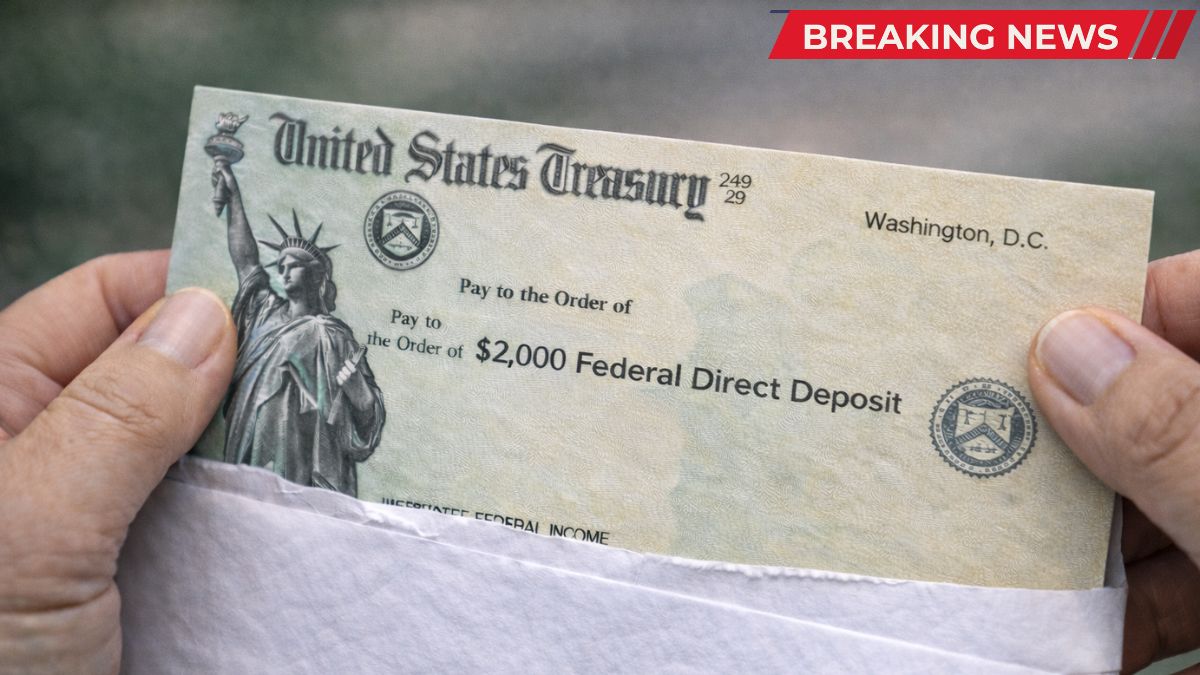
Reports about a possible $2,000 federal direct deposit in February 2026 have gained strong public attention. Many households are dealing with high costs for food, rent, utilities, and healthcare, so the idea of extra financial help is naturally appealing. However, it is important to understand that online discussions do not mean a payment has been officially approved. Federal payments must follow legal and administrative procedures before any money can be issued.
Understanding how government payment programs work can prevent confusion and unrealistic expectations. Clear information about eligibility, verification, and timing protects families from relying on rumors. Before adjusting your budget or planning major expenses, it is wise to confirm whether a program is formally authorized.
Why Payment Rumors Spread So Quickly
Whenever the cost of living rises, news about possible government support spreads very fast. Social media platforms and online blogs often repeat unconfirmed claims, which can make them appear official. In previous years, similar situations occurred when people expected stimulus checks that were never approved by law.

Large federal payments require Congress to pass legislation and agencies to publish clear guidelines. Without official announcements and written rules, no payment should be treated as guaranteed. Waiting for verified government communication is always the safest approach.
Who Might Qualify If a Program Is Approved
If a $2,000 payment were officially authorized, eligibility would likely depend on income and tax records. Relief programs often prioritize low- and moderate-income households. Higher-income earners may receive reduced amounts or may not qualify at all.
Recent tax filing history would probably be used to verify income levels. Individuals who receive ongoing federal benefits, such as retirement or disability payments, could also be identified through existing records. Household size and dependent information might affect payment totals, but exact rules would depend on the final legislation.

How Eligibility Would Be Verified
Most modern federal payment programs rely on existing data rather than new applications. Agencies usually review tax returns, benefit records, and identity information already on file. This electronic verification system helps speed up processing and reduce paperwork.
Because of this, keeping records updated is very important. Accurate names, Social Security numbers, addresses, and banking details reduce the chance of delays. If identity questions arise, agencies typically send official letters or secure portal messages requesting confirmation before releasing funds.
When Payments Could Arrive
If a program were approved, distribution would likely occur in phases during February rather than on a single date. Large payment programs are usually issued in batches to manage processing systems and security checks.
यह भी पढ़े:
 $2,000 Direct Deposits From February 12, 2026: Who Qualifies and When to Expect Your IRS Refund
People with direct deposit information on file would likely receive funds first. Electronic transfers are faster than mailed checks. Those without updated bank details might receive paper checks or prepaid debit cards later in the month.
Protecting Yourself and Staying Informed
To avoid delays, taxpayers should file accurate returns and review their banking details carefully. Mailing addresses should also be current in case official notices are sent. It is equally important to be cautious of scams. Government agencies do not charge fees to release payments and do not request passwords or personal details through unsolicited messages.
Planning should remain conservative until funds are officially confirmed. Relying only on verified government websites and announcements helps prevent financial mistakes. Staying informed through trusted sources reduces stress and protects personal information.

Disclaimer: This article is for general informational purposes only. Any $2,000 federal direct deposit program for February 2026 would depend on official legislation, agency approval, and individual eligibility records. Payment amounts, rules, and timelines are determined solely by authorized government guidance. Readers should consult official government sources or qualified financial professionals for advice specific to their situation.