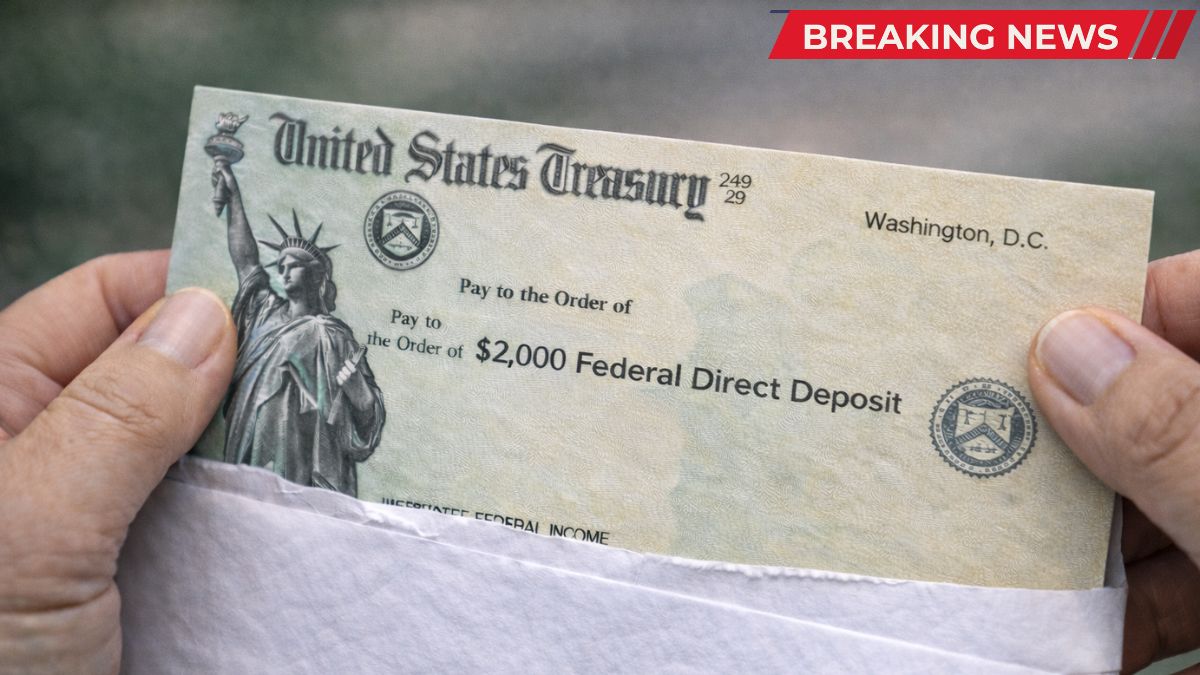
$2,000 Federal Direct Deposit February 2026: In February 2026, social media platforms are full of posts claiming that every American will receive a $2,000 federal direct deposit. Short videos and forwarded messages suggest that the payment has already been approved and will soon appear in bank accounts. With everyday expenses like rent, groceries, fuel, and medical costs still high, it is understandable that people feel hopeful. However, before making any financial decisions, it is important to check what has been officially confirmed.
No Law Has Approved a Nationwide $2,000 Payment
At this time, there is no federal law that authorizes a universal $2,000 payment for all Americans in February 2026. In the United States, large government payments cannot be issued without a clear legal process. Congress must first draft and pass a bill explaining who qualifies, how much will be paid, and how the program will be funded. After that, the President must sign the bill into law.
Only once these steps are completed can federal agencies such as the Internal Revenue Service or the U.S. Treasury begin distributing funds. Since no such law has been passed or signed, there is no authority for a nationwide $2,000 deposit. Any online message claiming the payment has been “just approved” without official confirmation should be treated carefully.

Why the $2,000 Amount Is Being Discussed
The $2,000 figure is spreading widely mainly because February is one of the busiest months for tax refunds. Many taxpayers file their returns early and choose direct deposit. Refund amounts often fall between $1,500 and $3,000, depending on income, tax credits, and how much tax was withheld during the year.
When a refund close to $2,000 appears in someone’s account, it can easily be misunderstood as a new stimulus payment. In reality, a tax refund is simply money returned because a person paid more in taxes than required. The exact amount depends on individual tax details. There is no special nationwide program attached to it.
Regular Federal Benefits Can Add to Confusion
Another reason for confusion is the timing of regular federal benefit payments. Social Security retirement benefits, disability payments, Supplemental Security Income, and veterans’ benefits are paid on fixed schedules each month. In some cases, a tax refund and a benefit payment may arrive within a short period.
यह भी पढ़े:
 $2,000 Direct Deposits From February 12, 2026: Who Qualifies and When to Expect Your IRS Refund
When two payments arrive close together, the total amount may look larger than usual. This can create the impression that a new federal program has started. However, these deposits follow existing rules and schedules. They are not connected to any newly approved $2,000 stimulus plan.
Be Aware of Scams and False Messages
Whenever rumors about government money spread, scams often increase. Fraudsters may send emails or text messages asking for bank details, Social Security numbers, or small “processing fees” to release a supposed payment. Some even create fake websites that look official.
It is important to remember that federal agencies do not charge fees to issue payments. They also do not request personal information through random social media messages. The safest way to verify any payment is by visiting official government websites directly and checking secure accounts.

As of now, there is no confirmed nationwide $2,000 federal direct deposit scheduled for February 2026. Deposits around that amount are most likely regular tax refunds or routine benefit payments. Families should avoid planning expenses based on online rumors and instead rely on official announcements.
Staying informed through trusted sources helps prevent disappointment and protects personal financial information. Verified information remains the best defense against confusion and fraud.
Disclaimer
This article is for informational purposes only and does not provide financial, legal, or tax advice. No universal $2,000 federal payment has been officially approved for February 2026. Payment amounts and timelines depend on individual eligibility and official government rules. Readers should rely on verified government sources or consult qualified professionals for personalized guidance.