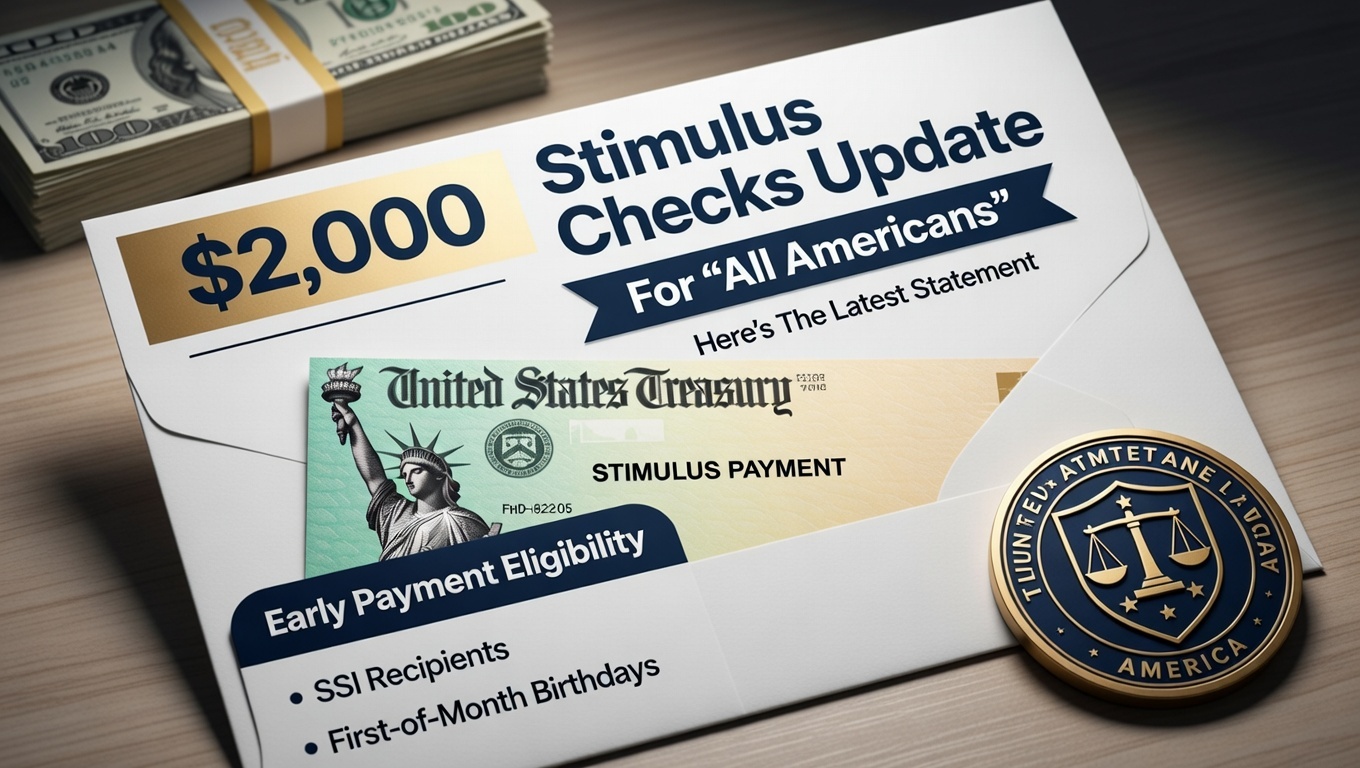
Federal $2,000 Payments Arriving February 2026: Many people across the United States are paying close attention to reports about federal $2,000 payments expected in February 2026. With living costs still high, a one-time payment could provide helpful financial support at the start of the year. Understandably, families want clear answers about who qualifies, how payments are sent, and what steps to take if the money does not arrive.
Federal payments are usually handled by government agencies such as the Internal Revenue Service or other benefit programs. These agencies use information already on file from tax returns or benefit records to determine eligibility. While the process is designed to be simple for qualified individuals, keeping personal details updated plays an important role in avoiding delays.
यह भी पढ़े:
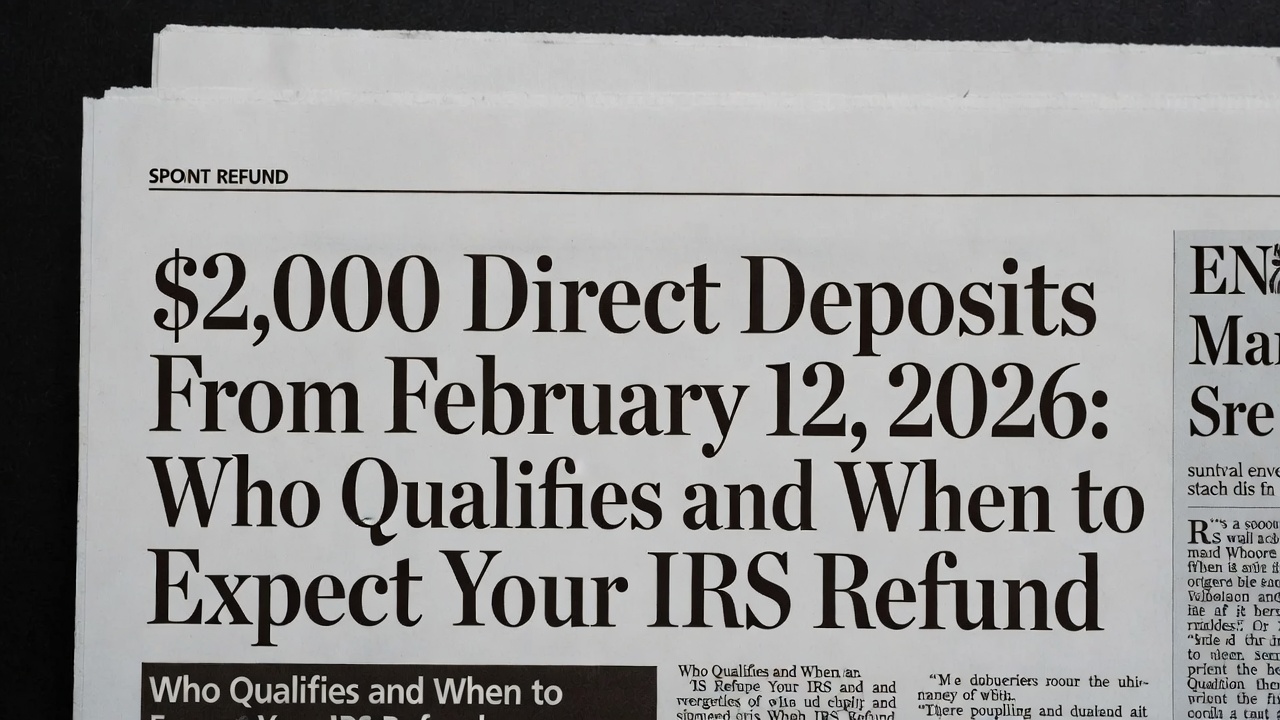
 $2,000 Direct Deposits From February 12, 2026: Who Qualifies and When to Expect Your IRS Refund
Who May Qualify for the $2,000 Federal Payment
Eligibility for a federal $2,000 payment depends on the official rules set by the agency in charge. In most cases, income level, tax filing status, and participation in certain federal benefit programs are considered. Agencies review adjusted gross income from recent tax returns and confirm active enrollment in benefit systems before approving payments.
Groups that may qualify often include Social Security recipients, individuals receiving Supplemental Security Income, certain veterans receiving benefits, and taxpayers with low to moderate income. However, not everyone in these groups automatically qualifies. Income limits and program guidelines usually determine whether someone receives the full amount, a reduced payment, or no payment at all.
Household income is a major factor. If a person’s earnings exceed the allowed threshold, the payment may be lowered or phased out completely. Filing status, such as single, married filing jointly, or head of household, can also influence eligibility. Beneficiaries should review their most recent tax return or benefit statement to confirm that their information is accurate.

Keeping documents ready is important. Recent tax returns, Social Security statements, or veterans’ benefit letters may be needed if verification is required. If income or household details changed recently, updating that information through official channels can help prevent processing issues.
How the Government Sends the Payment
Federal $2,000 payments are delivered using the method already linked to a person’s records. Direct deposit is the fastest and most common way to receive funds. If bank details are on file from a tax return or benefit enrollment, the money is sent directly to that account.
Direct deposit reduces the risk of delays caused by mail delivery. Funds often appear in the account shortly after processing is complete. This method is generally considered safer and more efficient than mailing paper checks.

If no bank account information is available, the agency may send a paper check to the mailing address on record. In some situations, a prepaid debit card may be issued instead. After the payment is processed, agencies often send a notice explaining the amount and confirming the transaction.
To avoid problems, beneficiaries should confirm that both their bank account and mailing address are correct. Updates should always be made through official government websites or helpline numbers.
Expected Timeline for February 2026 Payments
Federal payments are usually issued in batches rather than on a single day. Direct deposits often arrive earlier in the month, while mailed checks can take additional time. Mid-February is commonly when many direct deposits are completed, depending on processing schedules.
यह भी पढ़े:
 February 18, 2026 IRS Payment Alert! $2,000 Direct Deposit and Eligibility Rules Explained
Individuals receiving regular benefits such as Social Security may notice that the payment aligns with their normal monthly deposit cycle. However, exact timing can vary depending on the agency’s workload and verification procedures.
It is helpful to begin checking bank accounts and online benefit portals early in February. Monitoring status updates allows recipients to act quickly if something appears delayed.
What to Do If the Payment Does Not Arrive
If the expected payment does not appear, the first step is to check the official online account connected to the benefit or tax record. These portals often provide payment status updates and alerts.
Next, confirm that bank details and mailing addresses are correct. Contacting the bank can also help determine whether a deposit is pending or has been returned. If needed, reach out to the issuing agency using the official phone number listed on its website.
If a mailed check seems lost, agencies typically offer a payment trace process. This may require identity verification and could take some time to resolve. Keeping notes of phone calls, dates, and reference numbers can be useful during follow-up.
Avoid responding to unofficial websites or social media messages offering help with payments. Government agencies do not request sensitive personal details through random messages.

Tax and Reporting Considerations
Depending on the program, some supplemental federal payments may be taxable. Agencies usually provide instructions explaining whether the amount must be reported on a future tax return. Saving any official notices or letters received with the payment can simplify tax preparation later.
If there is uncertainty about tax treatment, reviewing official IRS guidance or consulting a qualified tax professional can provide clarity.
Final Thoughts on the February 2026 Federal Payment
The federal $2,000 payments expected in February 2026 are intended to provide one-time financial assistance to eligible individuals. Qualification depends on income limits, tax records, and participation in specific benefit programs. Payments are typically issued through direct deposit, paper check, or prepaid card based on information already on file.

For smooth processing, beneficiaries should review their eligibility, confirm that their personal details are current, and monitor official communication channels. Staying informed and proactive can help ensure that funds arrive without unnecessary delay.
Disclaimer: This article is for informational purposes only. Payment eligibility, timelines, and amounts depend on official government rules and individual circumstances. Readers should verify details through authorized federal agency websites or contact the appropriate agency directly for accurate and personalized guidance.