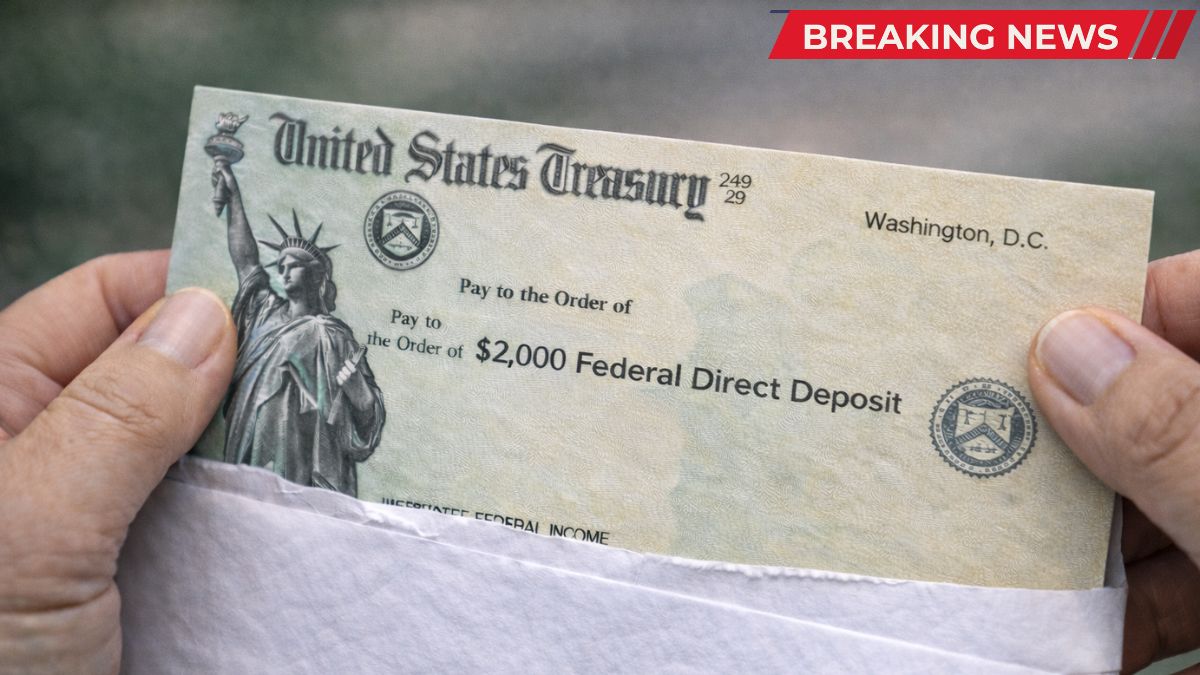
$2,000 Direct Deposit Program February 2026: In early 2026, many households are talking about a proposed $2,000 direct deposit that could begin on February 9, 2026. With rent, grocery bills, utility costs, and medical expenses still high, families are watching closely for any form of financial relief. The proposal describes a targeted support plan designed to help people manage short-term financial pressure. However, it is important to remember that the program depends on official approval before any payments can be issued.
The main purpose of this proposed payment is to provide temporary assistance through a fast and secure digital system. Instead of mailing paper checks, the plan would rely completely on electronic bank transfers. This approach is meant to reduce delays, lower administrative work, and make sure funds reach eligible recipients quickly. A digital-only system can also help avoid common issues such as lost or delayed checks.
How the Digital Payment Process Would Work
Under the proposed structure, eligible individuals would receive the $2,000 payment directly into their bank accounts. Identity verification would take place through automated systems that use information already available in government records. These systems are designed to confirm a person’s identity and eligibility without requiring long paperwork processes. By using existing records, the payment process could move more smoothly.

Accurate banking information would be very important because the plan does not include paper checks. If routing numbers or account details are incorrect, the transfer could be delayed or rejected. For this reason, individuals may need to review their banking details carefully before deadlines. Once verification is completed successfully, the payment would be sent electronically to the approved account.
Eligibility and Priority Groups
Eligibility for the proposed program would likely depend on income level, residency status, and compliance with federal rules. Income details may be checked using recent tax returns or other official financial records. This allows the system to determine whether a household meets the required financial limits. Only those who qualify under the guidelines would receive the payment.
Reports suggest that seniors, individuals with disabilities, and low-income households may be given priority during processing. These groups often face higher financial challenges and may receive payments earlier in the distribution schedule. However, final eligibility rules and priority details would only be confirmed through official government announcements.

Important Dates and Security Measures
According to current discussions, verification and banking updates could open on February 1, 2026. Individuals who complete verification early may receive funds starting February 9. February 15 is expected to be the last date for updating banking details, while identity verification may close on February 20. Missing these deadlines could result in delays or placement in a later payment phase.
To protect public funds, strict security measures would be part of the program. Each eligible person or household would receive only one payment. Automated systems would flag duplicate claims or mismatched identity records. Providing false information or attempting to claim multiple payments could lead to disqualification and possible legal action.
The proposed $2,000 direct deposit program for February 2026 is described as a focused digital relief effort aimed at helping families manage rising living costs. With electronic transfers, phased distribution, and strict verification rules, the plan emphasizes speed and security. While the structure appears organized, the program can only move forward after official approval. Families should stay informed through trusted government sources and prepare their records in advance if the proposal becomes official.
यह भी पढ़े:
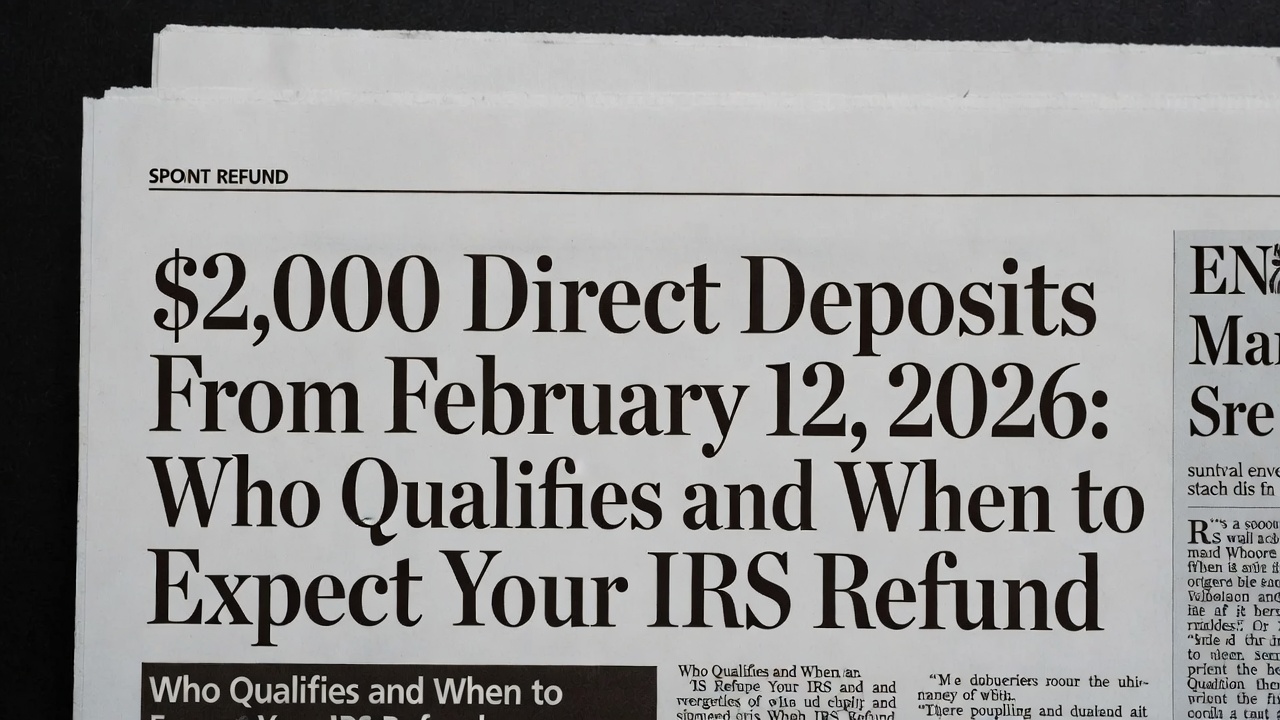
 $2,000 Direct Deposits From February 12, 2026: Who Qualifies and When to Expect Your IRS Refund
Disclaimer
This article is provided for informational purposes only and does not offer financial, legal, or tax advice. Approval of the proposed program, eligibility requirements, and payment timelines depend entirely on official government decisions and may change at any time. Readers should rely on verified government announcements for the most accurate and up-to-date information.